





Why Your Skin Changes on Hormone Therapy: HRT, TRT, and Testosterone
Key takeaways
- Hormones control how much oil your skin makes and what that oil is made of.
- Changes in oil reshape which bacteria thrive on your skin.
- The result can be new breakouts or clearer skin. Testing shows which one is happening and why.
If you’ve started hormone therapy and your skin suddenly looks different, you’re not imagining it. That includes menopause and perimenopause HRT, TRT for low testosterone, and gender-affirming hormones like estrogen or testosterone. Hormones are among the strongest regulators of the skin’s oil glands. When your oil changes, the bacteria living on your skin change with it.
Hormones set your oil level and oil quality
Sebaceous glands carry receptors for androgens and estrogens. Testosterone and its stronger form, DHT, enlarge these glands and raise sebum output, whether it comes from TRT, gender-affirming therapy, or low-dose testosterone in menopause care. Estrogen and anti-androgens tend to do the opposite. In a classic study, transgender men starting testosterone saw sebum production rise, while transgender women on estrogen and anti-androgens saw it fall within months.
The amount of oil is only part of the picture. Hormones also shift sebum composition: the balance of triglycerides, free fatty acids, wax esters, and squalene. That oily film is both food and habitat for the microbes on your face, chest, back, and scalp.
New oil, new residents
Your skin microbiome is shaped by the conditions each body site offers. Oily areas favor lipid-loving organisms like Cutibacterium acnes and Malassezia yeast, which break sebum down into free fatty acids. Drier skin supports a wider mix of organisms.
When hormones change the oil, some species expand and others lose ground. More sebum on testosterone can feed acne-associated strains of C. acnes, which is why face and back breakouts are common in the first year. Falling estrogen during menopause lowers sebum and barrier lipids, leaving skin drier, more reactive, and open to different organisms.
Sometimes worse, sometimes better
Hormone therapy can trigger acne at any stage of life, including perimenopause and menopause. Some progestins used in HRT have androgen-like activity, and some regimens add testosterone or DHEA. Perimenopause also brings uneven hormone levels, and as estrogen falls, androgens have a stronger relative effect on oil glands. The result can be adult hormonal acne along the jawline and chin.
Other people see improvement. Oily, acne-prone skin may calm down on estrogen, and dry skin may feel more balanced on testosterone.
The direction your skin takes depends on your starting microbiome, genetics, dose, and routine. Strain matters as well. Research shows some C. acnes strains are linked to acne while closely related strains are found mainly on healthy skin, so two people on the same hormones can have very different results.
How Parallel Health helps you rebalance
At Parallel Health, we practice Microbiome Dermatology™, which means measuring what lives on your skin before treating it. Our skin microbiome testing uses whole-genome shotgun sequencing to identify bacteria, fungi, parasites, viruses, and other microbes down to the strain level and measure how much of each is present. Your Quantitative Microbial Analysis™ shows which organisms have shifted since your hormones changed.
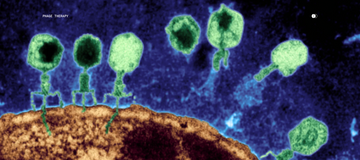
From there, our team can formulate a Custom Active Phage Serum. Phages are nano-microbes that each target a specific bacterium, so they can reduce a problem strain while leaving the rest of your microbiome intact. When a prescription makes sense, our board-certified dermatologists can provide custom compounded Rx through our telehealth practice.
Your hormone plan can stay as it is, while Parallel's personalized MD-03 Protocol™ can help you balance your skin microbiome for clear, radiant skin.
FAQs
Is HRT the same as testosterone therapy?
HRT is an umbrella term. It covers menopause hormone therapy, TRT for low testosterone, and gender-affirming hormones, and testosterone can be part of any of them.
How soon after starting testosterone does acne appear?
Many people notice more oil within the first few months. Acne often peaks during the first year and tends to settle afterward, though it persists for some.
Can menopause or perimenopause HRT cause acne?
Yes. Androgen-like progestins, added testosterone or DHEA, and the hormone swings of perimenopause can all increase oil and feed acne-associated bacteria. Others find estrogen calms their skin and improves hydration. Your prescriber may be able to adjust the progestin or delivery method, and skin microbiome testing shows what changed on your skin.
Should I stop my hormones if my skin breaks out?
No. Talk with your prescriber before changing any medication. Skin changes during hormone therapy can be managed without stopping treatment.
Do phages interact with hormone therapy?
Phages act on specific bacteria and do not affect hormone levels, so they can be used alongside HRT, TRT, or gender-affirming hormones.
How does skin microbiome testing work?
You collect swabs and send them back. We sequence the samples and deliver a report showing which organisms live on your skin and in what amounts.
References
- Giltay EJ, Gooren LJG. Effects of sex steroid deprivation/administration on hair growth and skin sebum production in transsexual males and females. J Clin Endocrinol Metab. 2000;85(8):2913-2921.
- Wierckx K, Van de Peer F, Verhaeghe E, et al. Short- and long-term clinical skin effects of testosterone treatment in trans men. J Sex Med. 2014;11(1):222-229.
- Zouboulis CC, Chen WC, Thornton MJ, Qin K, Rosenfield R. Sexual hormones in human skin. Horm Metab Res. 2007;39(2):85-95.
- Thornton MJ. Estrogens and aging skin. Dermatoendocrinol. 2013;5(2):264-270.
- Stanczyk FZ. All progestins are not created equal. Steroids. 2003;68(10-13):879-890.
- Byrd AL, Belkaid Y, Segre JA. The human skin microbiome. Nat Rev Microbiol. 2018;16(3):143-155.
- Howard B, Bascom CC, Hu P, et al. Aging-associated changes in the adult human skin microbiome and the host factors that affect skin microbiome composition. J Invest Dermatol. 2022;142(7):1934-1946.
- Fitz-Gibbon S, Tomida S, Chiu BH, et al. Propionibacterium acnes strain populations in the human skin microbiome associated with acne. J Invest Dermatol. 2013;133(9):2152-2160.
- Castillo DE, Nanda S, Keri JE. Propionibacterium (Cutibacterium) acnes bacteriophage therapy in acne: current evidence and future perspectives. Dermatol Ther (Heidelb). 2019;9(1):19-31.