





Skin Health After 40: The Science Behind Maintaining Youthful, Resilient Skin
by Parallel Health Team
As we enter our 40s, skin undergoes fundamental shifts that require a smarter, more targeted approach to skincare. The strategies that worked in your 20s and 30s simply aren't enough anymore. Understanding what's actually changing—and addressing those changes at the root—is key to maintaining healthy, youthful skin for decades to come.
Why Your Skin Changes After 40
Three interconnected factors drive visible skin aging: volume loss, compromised barrier function, and chronic low-grade inflammation. Addressing all three is essential for real, lasting results.
Volume loss accelerates significantly in your 40s. Collagen production declines approximately 1-1.5% per year after age 20, but the cumulative effects become visible around this decade. Research published in The American Journal of Pathology demonstrated that fibroblasts from older individuals produce significantly less type I procollagen than those from younger adults, and this decline correlates directly with clinical signs of skin aging. Fat pads in the face begin to shrink and shift, while bone density decreases—particularly in the jawline and around the eyes, which results in sagging, hollowing, and loss of that youthful fullness.
Skin barrier integrity also weakens with age. The lipid matrix that keeps moisture in and irritants out becomes less efficient, leading to increased transepidermal water loss, sensitivity, and dullness. Studies show that alterations in stratum corneum structure and lipid content negatively impact barrier function, decreasing moisture retention and increasing vulnerability to infection.
Perhaps most importantly, chronic inflammation—sometimes called "inflammaging"—quietly damages skin from within. This persistent, low-level inflammation breaks down collagen, disrupts healing processes, and contributes to uneven tone and texture. Research in the Journal of Investigative Dermatology confirms that inflammaging is characterized by increased circulating proinflammatory cytokines that drive many age-associated conditions, including skin structural decline. Imbalances in your skin microbiome often fuel this inflammatory cycle, creating conditions where harmful bacteria thrive while beneficial species decline.
Targeted Solutions That Actually Work
Peptides for Volume Restoration
Peptides are short chains of amino acids that signal your skin to produce more collagen and elastin. Unlike harsh treatments, peptides work with your skin's biology to stimulate natural regeneration. Clinical research published in the International Journal of Tissue Reactions demonstrated that topical application of collagen-like peptides significantly reduced the total surface area, number, and average depth of wrinkles after just four weeks of use. Look for formulations containing copper peptides, matrixyl, or argireline/SNAP-8—each targets different aspects of volume and firmness restoration.
Precision Anti-Inflammatory Care with Phage Technology
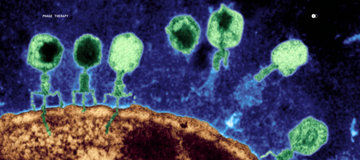
Traditional anti-inflammatory ingredients take a broad approach, but emerging precision skincare uses bacteriophages—nano-microbes that target specific harmful bacteria—to rebalance your skin microbiome without disrupting beneficial species. Research published in the International Journal of Molecular Sciences confirms that phage-based therapeutic strategies show promising results for treating various skin conditions including acne, psoriasis, hidradenitis suppurativa, rosacea, and atopic dermatitis. This targeted approach addresses inflammation at its source, calming reactive skin while supporting long-term barrier health. Unlike antibiotics, phages work selectively, preserving the diverse microbial ecosystem your skin needs to thrive.
Tretinoin for Cellular Renewal
Tretinoin remains the gold standard for skin aging. This vitamin A derivative accelerates cellular turnover, stimulates collagen production, and improves skin texture and tone. A landmark study in the New England Journal of Medicine found that treatment with tretinoin produced an 80% increase in collagen I formation compared to a 14% decrease with vehicle alone. Systematic reviews confirm that all clinical signs of photodamage show dramatic improvement after topical tretinoin treatment, with results observed as early as four months and continuing over a 24-month period. When introduced gradually and paired with proper barrier support, tretinoin delivers unmatched results for fine lines, hyperpigmentation, and overall skin quality.
Building Your Over-40 Skincare Strategy
The most effective approach combines all three elements: peptides rebuild what's been lost, precision anti-inflammatory care like phage-based formulations restore microbial balance, and tretinoin keeps cellular processes functioning optimally.
Start slowly, especially with actives like tretinoin. Prioritize barrier health with ceramides and gentle cleansers. And consider testing your skin microbiome to understand your unique inflammatory triggers—personalized data leads to personalized solutions.
Your 40s aren't about fighting aging. They're about working smarter, supporting your skin's natural processes, and addressing the real biological changes happening beneath the surface. With the right science-backed approach, healthy, resilient skin is absolutely achievable at any age.
Frequently Asked Questions
At what age should I start using anti-aging skincare?
Prevention is always easier than correction. While your 40s mark a significant acceleration in visible aging, building good habits in your 20s and 30s—including sun protection, antioxidants, and gentle retinoids—creates a stronger foundation. However, it's never too late to start. Research shows that peptides and tretinoin can restore collagen formation even in significantly photodamaged skin.
How long does it take to see results from tretinoin?
Clinical studies show initial improvements in skin texture and fine lines as early as 3-4 months. However, the deeper effects on collagen production become apparent at 9-12 months of consistent use. Patience and consistency are key.
Are peptides as effective as tretinoin?
Peptides and tretinoin work through different mechanisms and are best used together. Tretinoin stimulates collagen production and blocks degradation at the cellular level, while specific peptides signal fibroblasts to synthesize new collagen and can help reduce the appearance of expression lines. Using both provides complementary benefits.
What is inflammaging and why does it matter for my skin?
Inflammaging refers to the chronic, low-grade inflammation that develops with age. It's characterized by elevated inflammatory markers that accelerate collagen breakdown and impair skin's natural repair processes. Addressing inflammaging through proper skincare, diet, and lifestyle choices is increasingly recognized as essential for healthy aging.
How do bacteriophages help with skin health?
Bacteriophages are nano-microbes that specifically target and eliminate harmful bacteria without affecting beneficial microorganisms. In skincare, phage-based therapies can selectively reduce pathogenic bacteria that contribute to inflammation and skin conditions, helping restore microbial balance and supporting the skin barrier.
Can I repair my skin barrier if it's already compromised?
Yes. Research shows that consistent use of barrier-supporting ingredients—particularly ceramides, cholesterol, and fatty acids in the proper ratios—can significantly improve barrier function within weeks. Avoiding harsh cleansers and over-exfoliation is equally important during barrier repair.
Is it safe to use tretinoin long-term?
Systematic reviews of randomized controlled trials confirm that topical tretinoin is safe for long-term use of at least up to two years and does not induce cellular atypia. In fact, the benefits of tretinoin are cumulative, with continued improvement seen over extended use periods.
Scientific References
-
Varani J, Dame MK, Rittie L, et al. Decreased collagen production in chronologically aged skin: roles of age-dependent alteration in fibroblast function and defective mechanical stimulation. Am J Pathol. 2006;168(6):1861-1868.
-
Marcos-Garcés V, Molina Aguilar P, Bea Serrano C, et al. Age-related dermal collagen changes during development, maturation and ageing – a morphometric and comparative study. J Anat. 2014;225(1):98-108.
-
Griffiths CE, Russman AN, Majmudar G, Singer RS, Hamilton TA, Voorhees JJ. Restoration of collagen formation in photodamaged human skin by tretinoin (retinoic acid). N Engl J Med. 1993;329(8):530-535.
-
Sitohang IBS, Makes WI, Sandora N, Suryanegara J. Topical tretinoin for treating photoaging: A systematic review of randomized controlled trials. Int J Womens Dermatol. 2022;8(1):e003.
-
Pilkington SM, Bulfone-Paus S, Sherlock C, Watson REB. Inflammaging and the Skin. J Invest Dermatol. 2021;141(4):1087-1095.
-
Franceschi C, Bonafè M, Valensin S, et al. Inflamm-aging: an evolutionary perspective on immunosenescence. Ann N Y Acad Sci. 2000;908:244-254.
-
Ferrucci L, Fabbri E. Inflammageing: chronic inflammation in ageing, cardiovascular disease, and frailty. Nat Rev Cardiol. 2018;15(9):505-522.
-
Woo YR, Cho SH, Lee JD, Kim HS. The Human Microbiome and Skin: A Comprehensive Review. Int J Mol Sci. 2022;23(3):1445.
-
Howard B, Bascom CC, Hu P, et al. Aging-Associated Changes in the Adult Human Skin Microbiome and the Host Factors that Affect Skin Microbiome Composition. J Invest Dermatol. 2022;142(7):1934-1946.
-
Woo YR, Lee SH, Cho SH, Lee JD, Kim HS. Interaction between the microbiota and the skin barrier in aging skin: a comprehensive review. Front Physiol. 2024;15:1322205.
-
Bauza E, Oberto G, Berghi A, Dal Farra C, Domloge N. Collagen-like peptide exhibits a remarkable antiwrinkle effect on the skin when topically applied: in vivo study. Int J Tissue React. 2004;26(3-4):105-111.
-
Asserin J, Lati E, Shioya T, Prawitt J. The effect of oral collagen peptide supplementation on skin moisture and the dermal collagen network: evidence from an ex vivo model and randomized, placebo-controlled clinical trials. J Cosmet Dermatol. 2015;14(4):291-301.
-
Keri JE, Levin SM, Galli E, et al. Bacteriophages and the Microbiome in Dermatology: The Role of the Phageome and a Potential Therapeutic Strategy. Int J Mol Sci. 2023;24(3):2695.
-
Brown TL, Petrovski S, Dyson ZA, Seviour R, Tucci J. The Formulation of Bacteriophage in a Semi Solid Preparation for Control of Propionibacterium acnes Growth. PLoS One. 2016;11(3):e0151184.
-
Ye L, Dang E, Wang G, et al. Topical applications of a barrier repair cream may attenuate skin barrier disruption and reduce circulating cytokine levels in the elderly population. J Eur Acad Dermatol Venereol. 2019;33(6):e234-e236.
-
Mukherjee S, Date A, Patravale V, Korting HC, Roeder A, Weindl G. Retinoids in the treatment of skin aging: an overview of clinical efficacy and safety. Clin Interv Aging. 2006;1(4):327-348.