





Skin Barrier Repair and its Importance to Skin Health and Longevity
by Parallel Health Team
Your skin barrier is more than a surface. It's a living, dynamic ecosystem that determines how your skin ages, heals, and responds to the environment. When compromised, the consequences go beyond dryness: inflammation, sensitivity, accelerated aging, and chronic conditions like eczema and rosacea can all trace back to barrier dysfunction. Understanding how to repair and maintain this barrier is one of the most important things you can do for long-term health and skin longevity.
What Is the Skin Barrier?
The outermost layer of your skin, the stratum corneum, functions as a brick-and-mortar wall. Corneocytes (the "bricks") are held together by a lipid matrix (the "mortar") composed of ceramides, cholesterol, and free fatty acids. This structure prevents transepidermal water loss (TEWL) and blocks pathogens and irritants from penetrating deeper layers.
But the barrier isn't just structural. It's ecological. Your skin microbiome, the trillions of microorganisms living on your skin's surface, plays a critical role in barrier integrity. Beneficial bacteria produce antimicrobial peptides, maintain an acidic pH, and modulate immune responses that keep inflammation in check. When the microbiome is disrupted, barrier function follows.
Why Your Skin Barrier Can Break Down
Modern skincare often works against the barrier rather than with it. Over-exfoliation, harsh cleansers, retinoid overuse (and misuse), and products loaded with synthetic fragrances strip away protective lipids and decimate microbial diversity. Environmental stressors like UV exposure and pollution compound the damage. The result is a cycle of irritation, sensitivity, and premature aging that no amount of active ingredients can fix if the foundation is compromised.
A Comprehensive, Integrative Approach to Repair
True barrier repair requires addressing both the structural and microbial dimensions of skin health. This means replenishing lipids, supporting the microbiome, and providing bioactive compounds that promote cellular repair at a deeper level.
Prebiotics, probiotics, and postbiotics, like peptides, have emerged as powerful tools in this space. Topical biotics help restore microbial balance, strengthen tight junctions between skin cells, and reduce the inflammatory signaling that drives barrier breakdown. When combined with peptides — short amino acid chains that signal collagen production and cellular renewal — the result is skin that doesn't just look better on the surface but is genuinely healthier at a functional level.
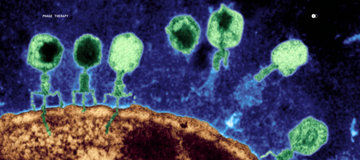
Biotics are just the beginning. Arguably, the most advanced approach to microbiome-mediated skin health is precision phage therapy. Bacteriophages — nanomicrobes that selectively target specific bacteria — allow for surgical precision in reshaping your skin's microbial ecosystem. Rather than broadly adding beneficial bacteria and hoping for the best, phage therapy can selectively reduce harmful strains that drive inflammation and barrier dysfunction. This matters for barrier repair because chronic microbial imbalance triggers a persistent inflammatory cascade that degrades tight junctions, disrupts lipid production, and prevents the barrier from ever fully healing — no matter how many ceramides you layer on top.
Parallel Health is the only company combining quantitative skin microbiome testing with custom phage therapy and microbiome skincare packed with prebiotics, probiotics, postbiotics, and peptides. By sequencing your unique microbial landscape, we identify exactly which organisms are contributing to your skin concerns — then engineer targeted phage formulations to rebalance your ecosystem with a level of precision that generic skincare simply cannot achieve. It's the difference between a one-size-fits-all approach and true personalization rooted in your biology.
This is the difference between cosmetic skincare and precision skincare: rather than masking symptoms, you're addressing root causes.
The Longevity Perspective
It's important to note that barrier repair isn't a one-time fix. It's a foundational practice for skin longevity — the idea that how your skin ages depends on how well you maintain its core systems over time. Protecting microbial diversity, minimizing chronic inflammation, and supporting cellular turnover are pillars that help your skin stay resilient and youthful-looking as you age.

Frequently Asked Questions
What are the signs of a damaged skin barrier? Common signs include persistent dryness, tightness, redness, stinging when applying products, increased sensitivity, and flare-ups of conditions like eczema or rosacea. Elevated TEWL is the clinical hallmark, though you'll typically notice the symptoms before reaching a dermatologist's office.
How long does skin barrier repair take? With consistent care and the right products, most people notice improvement within 2 to 12 weeks, depending on their starting point. Full restoration of microbial diversity and lipid balance can take longer, usually 3-6 months, which is why a maintenance-oriented approach matters more than a quick fix.
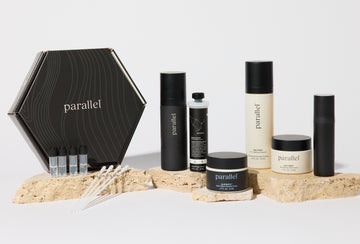
What's the difference between the Skin Barrier Biotic™ Cream and the Blue Biotic™ Multi-Effect Peptide Cream? The Skin Barrier Biotic™ Cream is a balancing moisturizer formulated with probiotics and peptides — it's an ideal starter cream for anyone building a skin longevity routine. It restores microbial balance, supports barrier integrity, and provides everyday hydration. The Blue Biotic™ Multi-Effect Peptide Cream is a more advanced formulation designed for barrier protection and transformative skin rejuvenation. It features advanced peptides that actively support collagen production and reduce wrinkle depth, making it especially powerful for those addressing visible signs of aging alongside barrier repair.
Can I use both products together? Absolutely. Many people start with the Skin Barrier Biotic™ Cream as their daily foundation and incorporate the Blue Biotic™ when they're ready to target deeper repair and anti-aging benefits.
How do these creams work with my Custom Phage Serum or Custom Compounded Rx? They're designed to work together as a complete system. Your Custom Phage Serum does the precision work, selectively targeting the specific harmful bacteria identified in your microbiome test to rebalance your skin's ecosystem. Your Custom Compounded Rx addresses your specific skin concerns with active clinical ingredients tailored to your needs. Our biotic creams support and maintain that rebalanced environment while providing barrier protection throughout your routine.
For optimal results, we recommend layering in this order:
1) Start with the Holy Calming Cleanser to gently cleanse without stripping your microbiome.
2) Next, apply your Custom Active Phage Serum to freshly cleansed skin
3) Follow with the Skin Barrier Biotic™ Cream and/or Blue Biotic™ Multi-Effect Peptide Cream to lock in hydration and support barrier function
4) Finally, apply your Custom Compounded Rx as the last step. If you're ramping up the strength of your Custom Rx and experiencing any sensitivity, add another layer of the Blue Biotic™ to provide extra barrier protection during the adjustment period.
Are probiotics in skincare actually supported by science? Yes. A growing body of research demonstrates that topical probiotics strengthen barrier function, modulate skin immunity, and improve outcomes in conditions like atopic dermatitis and acne. The key is formulation quality and strain specificity — not all probiotic skincare is created equal.
Scientific References
- Elias, P.M. (2007). The skin barrier as an innate immune element. Seminars in Immunopathology, 29(1), 3–14.
- Byrd, A.L., Belkaid, Y., & Segre, J.A. (2018). The human skin microbiome. Nature Reviews Microbiology, 16(3), 143–155.
- Sfriso, R., et al. (2020). Revealing the secret life of skin — with the microbiome you never walk alone. International Journal of Cosmetic Science, 42(2), 116–126.
- Al-Ghazzewi, F.H., & Tester, R.F. (2014). Impact of prebiotics and probiotics on skin health. Beneficial Microbes, 5(2), 99–107.
- Luebberding, S., Krueger, N., & Kerscher, M. (2014). Skin physiology in men and women: in vivo evaluation of 300 people including TEWL, SC hydration, sebum content and skin surface pH. International Journal of Cosmetic Science, 36(5), 477–483.
- Gallo, R.L., & Nakatsuji, T. (2011). Microbial symbiosis with the innate immune defense system of the skin. Journal of Investigative Dermatology, 131(10), 1974–1980.